Information
Landmark: Kaw MountainsCity: Cayenne
Country: French Guiana
Continent: South America
Kaw Mountains, Cayenne, French Guiana, South America
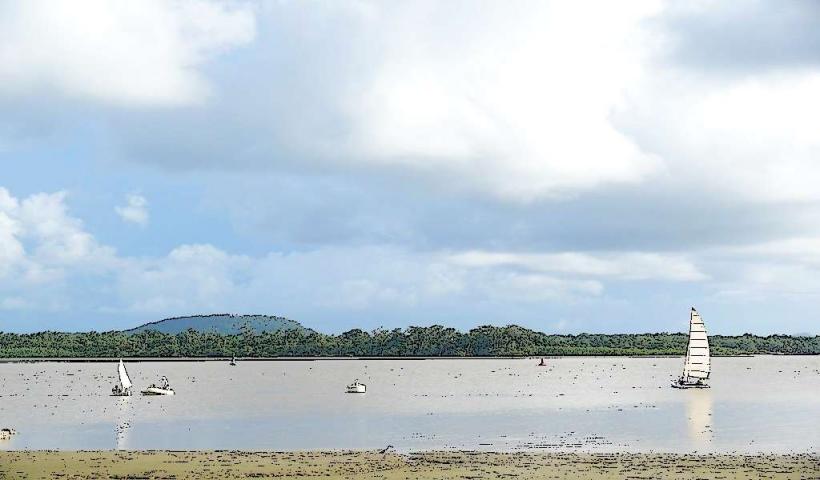
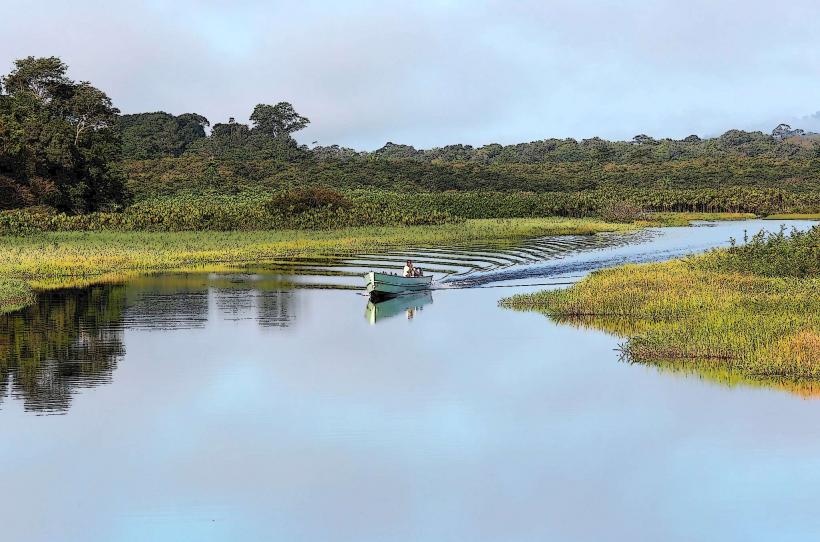
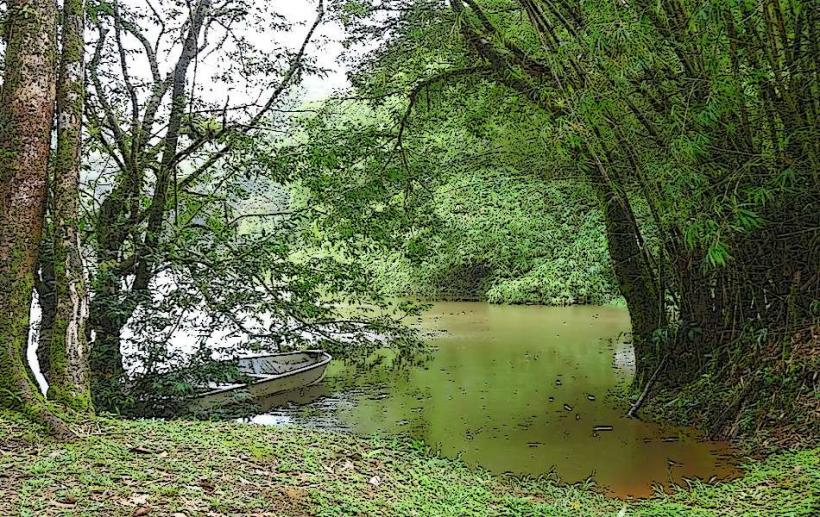
The Kaw Mountains (French: Monts Kaw) are a range of mountains located in the southern part of French Guiana, near the town of Kaw. They are part of the Guiana Highlands and are situated in a remote, sparsely populated area of the region. The Kaw Mountains are notable for their rugged terrain, dense tropical forests, and rich biodiversity, which contribute to their ecological importance.
Geographic Location and Features
The Kaw Mountains are located in the southern portion of French Guiana, roughly to the southeast of the Kaw Marshes and the Kaw River. They are part of the Guiana Shield, a large geological formation that extends across French Guiana, Suriname, Guyana, and parts of Brazil. The mountains are characterized by:
- Steep Slopes: The terrain is rugged, with steep slopes, rocky outcrops, and cliffs, creating challenging conditions for both exploration and habitation.
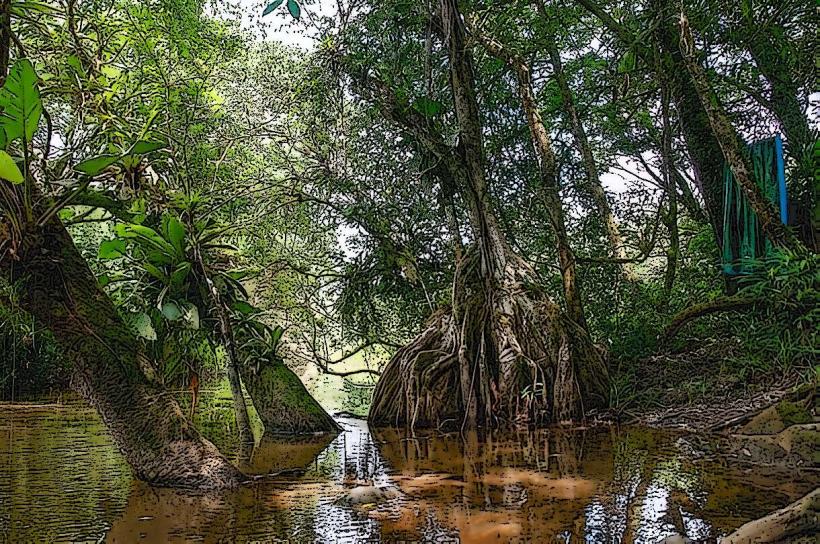
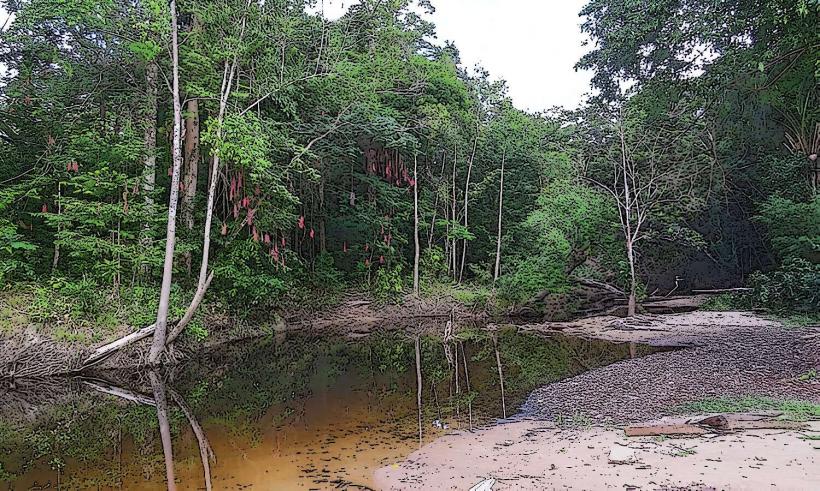
- Tropical Rainforest: The mountains are covered in dense tropical rainforests, which are home to a wide variety of plant and animal species. These forests are part of the larger Amazon Rainforest ecosystem, which stretches across much of South America.
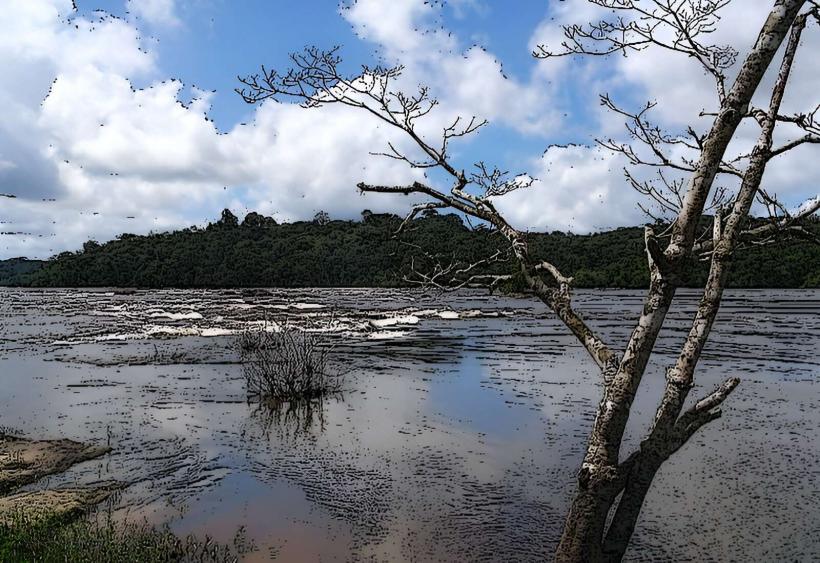
- River Systems: The Kaw Mountains are drained by several small rivers and streams that flow toward the lowlands and eventually feed into the Maroni River or Kaw River. These rivers are important for the local hydrology and contribute to the ecology of the surrounding wetlands.
Ecological Significance and Biodiversity
The Kaw Mountains are part of one of the most biodiverse regions on the planet, the Amazon Rainforest, and their mountainous terrain provides a unique habitat for many species of flora and fauna. Some key aspects of the biodiversity in the region include:
1. Flora
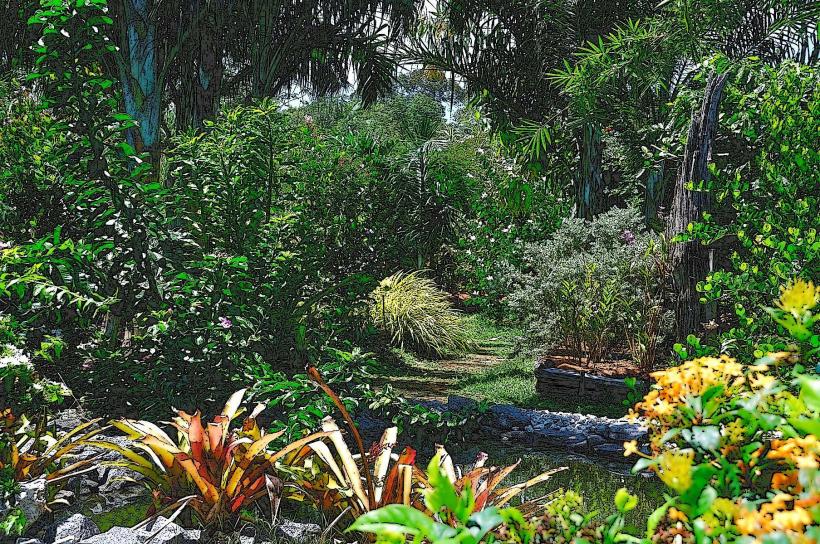
- Tropical Rainforest Vegetation: The forests of the Kaw Mountains are home to a wide range of tropical plants, including towering kapok trees, cedar, ebony, and mahogany. These trees support a rich understory of shrubs, vines, and ferns, which thrive in the humid climate.
- Endemic Plants: The isolated nature of the mountains has led to the evolution of several endemic plant species, which are found only in this particular area.
- Epiphytes: The Kaw Mountains are rich in epiphytic plants like orchids, bromeliads, and mosses, which grow on trees and rocks, taking advantage of the high humidity and abundant rainfall.
2. Fauna
The Kaw Mountains provide critical habitats for numerous animal species, including:
- Mammals: The region is home to a variety of mammals, including jaguars, pumas, jaguaretes (a species of wild cat), and howler monkeys, which are commonly found in the forests. Capybaras and agoutis are also present in the lower elevations and near water sources.
- Birds: The mountains host a rich diversity of bird species, including parrots, toucans, eagles, and harpy eagles. The area is an important habitat for many neotropical birds, including migratory species.
- Reptiles and Amphibians: The Kaw Mountains have a variety of reptiles, including caimans, turtles, and snakes. Amphibians such as frogs and toads thrive in the moist environment of the mountains.
- Insects: As with many tropical areas, the Kaw Mountains are teeming with insects, including butterflies, moths, beetles, and mosquitoes.
3. Endangered Species
The Kaw Mountains are home to several species that are endangered or vulnerable, many of which are adapted to the specific conditions of the region:
- Jaguars (Panthera onca): Although jaguars are widespread in the Amazon, their populations are threatened by habitat loss and hunting. The Kaw Mountains provide a relatively safe and remote habitat for these large predators.
- Giant River Otters (Pteronura brasiliensis): These otters, which are found in the rivers and waterways of the region, are endangered due to habitat destruction and hunting.
Human Interaction and Protection
Due to their remote location, the Kaw Mountains are less impacted by human activities compared to other areas in French Guiana, but there are still some challenges related to conservation and land use.
1. Conservation Efforts
The Kaw Mountains are part of a larger conservation area that includes the Kaw-Roura region. As of now, the Kaw Mountains themselves are not officially protected as a separate entity, but they fall within broader regional efforts to conserve the biodiversity of the region. This includes:
- Protected Areas: The nearby Kaw Marshes are part of a nature reserve, and the Kaw Mountains play a crucial role in maintaining the ecological integrity of this area.
- Research and Monitoring: Scientific research is ongoing to monitor the health of the ecosystem and ensure the protection of threatened species. The area is studied by ecologists and conservationists to better understand the biodiversity of the region and develop appropriate management strategies.
2. Threats
The Kaw Mountains face several potential threats, including:
- Illegal Logging: While the mountains are relatively remote, there is still pressure from illegal logging, which can lead to deforestation and the loss of habitat for wildlife.
- Mining: Gold mining and other forms of extraction, such as bauxite mining, can result in habitat destruction, pollution, and the disruption of local ecosystems.
- Climate Change: The effects of climate change, such as changes in rainfall patterns, rising temperatures, and extreme weather events, could negatively impact the ecosystems of the Kaw Mountains, especially their delicate balance of tropical forest and wetland environments.
3. Ecotourism
While the Kaw Mountains are not a major tourist destination, they are of interest to ecotourism due to their biodiversity and natural beauty. Visitors can explore the region through hiking, birdwatching, and boat tours, especially around the nearby Kaw Marshes. However, ecotourism is still limited due to the region's remoteness and the lack of infrastructure.
Conclusion
The Kaw Mountains in French Guiana are an ecologically important region that provides vital habitats for a wide range of plant and animal species. Part of the greater Guiana Highlands, they are home to unique ecosystems, including tropical rainforests, wetlands, and river systems that contribute to the overall biodiversity of the Amazon region. While the Kaw Mountains remain relatively remote and less impacted by human activity, they face ongoing threats from illegal logging, mining, and climate change. Continued conservation efforts are essential to protecting this unique part of the Guiana Shield and its incredible biodiversity for future generations.